
Granny flats have been gaining attention around the world as a smart, flexible housing solution for families, investors, and homeowners alike. But what exactly is a granny flat, and why has it become so popular?
In this blog post, we’ll break it down clearly—answering the most common questions people search online. Whether you're looking to add more living space, house elderly parents, or invest in a high-return rental unit, this guide will help you understand why granny flats are a game-changer in modern housing.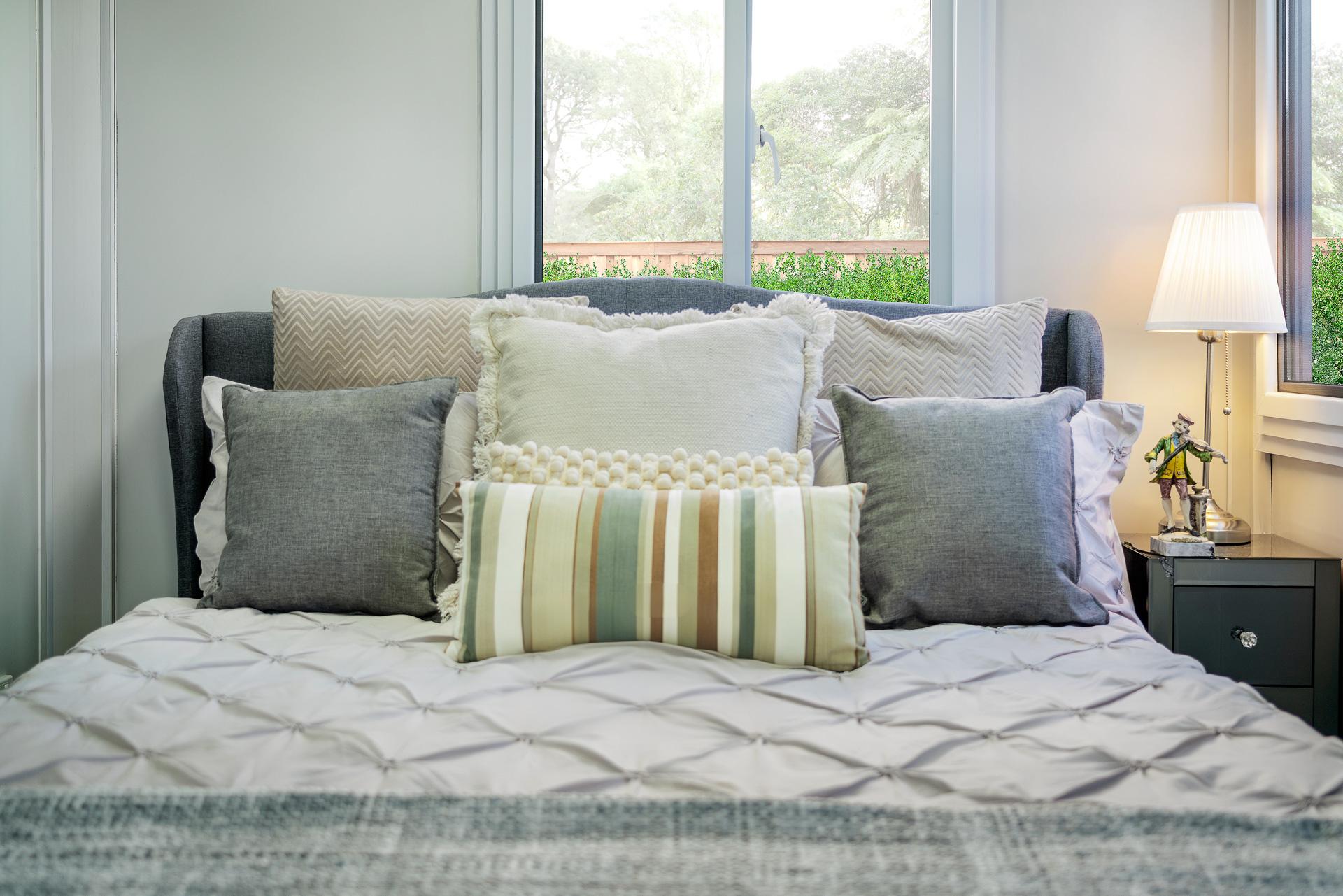
A granny flat is a self-contained secondary dwelling located on the same lot as a main house. It typically includes a bedroom, bathroom, kitchen, and living area—all within a compact footprint. The name "granny flat" comes from its traditional use: providing an independent living space for aging family members.
Also known as:
The size of a granny flat varies by country and local regulations. In many places like Australia, New Zealand, and the U.S., the typical size ranges from:
Granny flats can be:

Originally built for aging parents or grandparents, granny flats now serve many modern needs, such as:
✅ Multigenerational living
✅ Rental income (Airbnb or long-term)
✅ Teenager retreats or home offices
✅ Guest houses
✅ Disability-accessible living
Because they are fully functional standalone homes, granny flats offer incredible versatility.
That depends on local regulations.
In most regions:
Modular and prefab solutions (like expandable or foldable container homes) have made it easier than ever to install a granny flat without lengthy construction.
Yes—and here’s why:
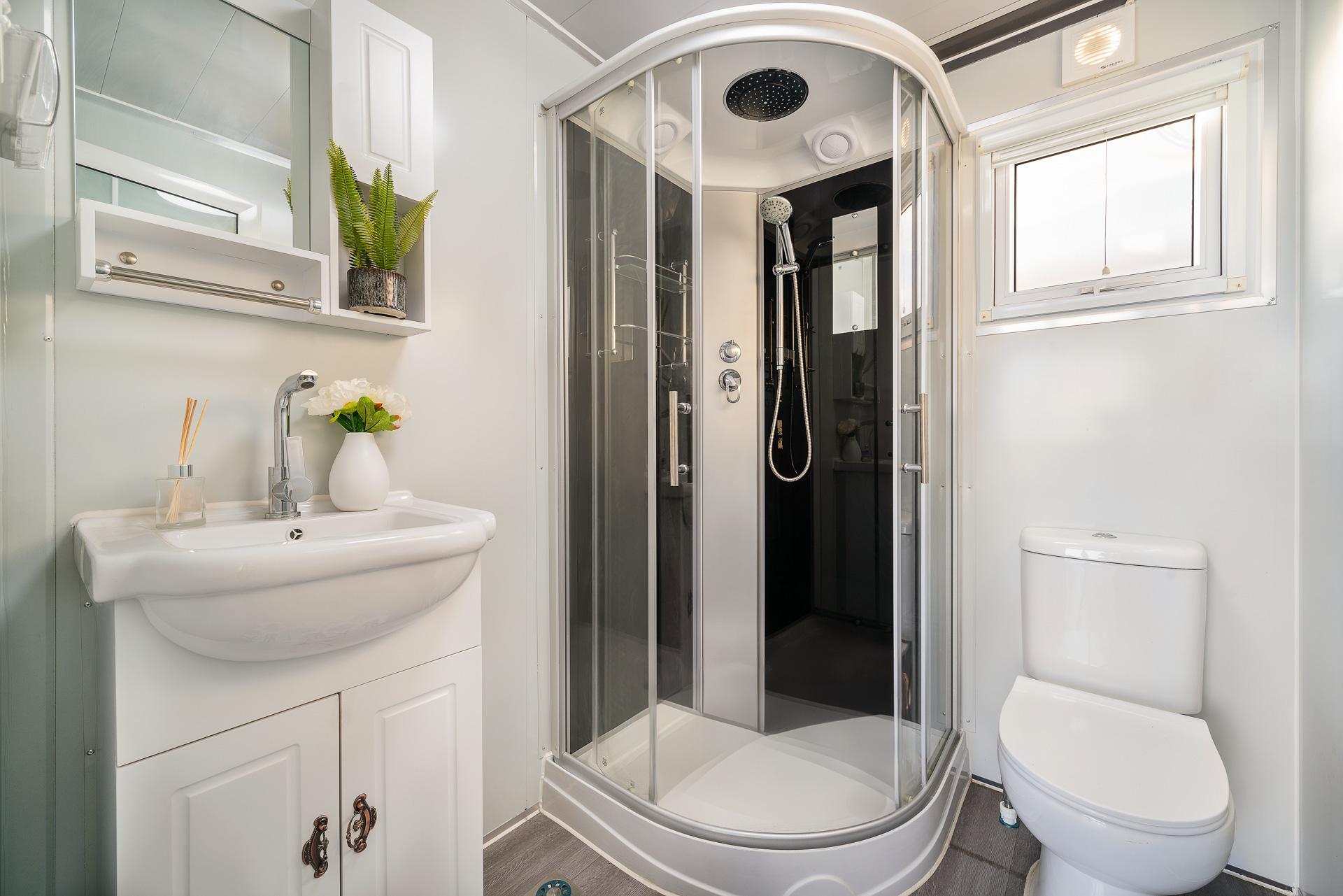
Today’s market includes a wide range of options:
If you want fast installation, low cost, and customization, prefabricated granny flats are a top choice. Many suppliers (especially in China) now offer fully-equipped expandable houses that can be unfolded on-site in hours.
Costs vary by design and materials, but here’s a general range:
Don’t forget to factor in:
Absolutely. Most prefab manufacturers now offer custom layout, color, finish, and fittings—including:
Some expandable container houses even include:
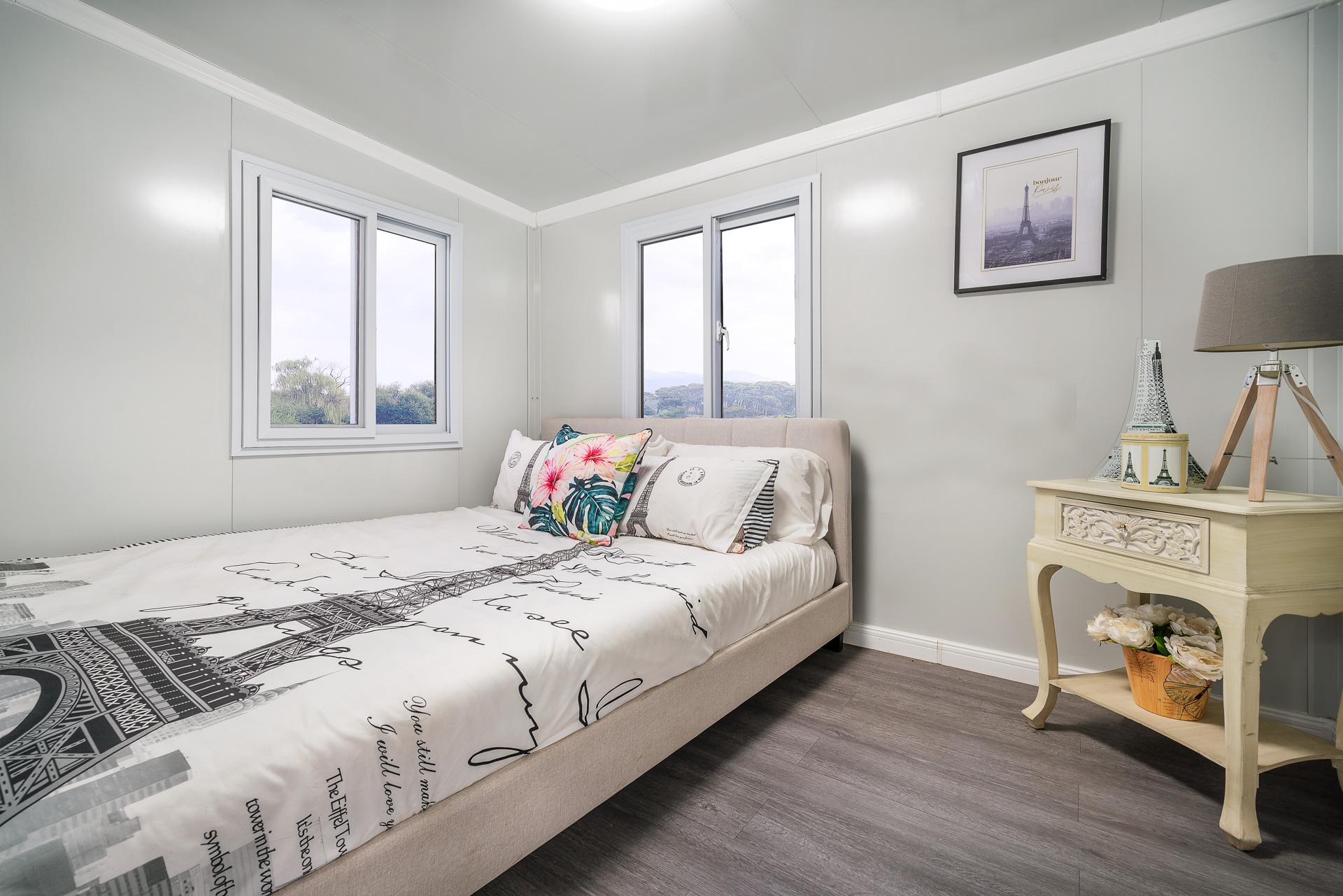
In many countries—yes, with proper permits. Cities increasingly support backyard rentals to ease housing shortages. Always check:
You can either:
Tip: Chinese prefab manufacturers offer deep customization and competitive pricing. Look for suppliers with CE certification and proven export records.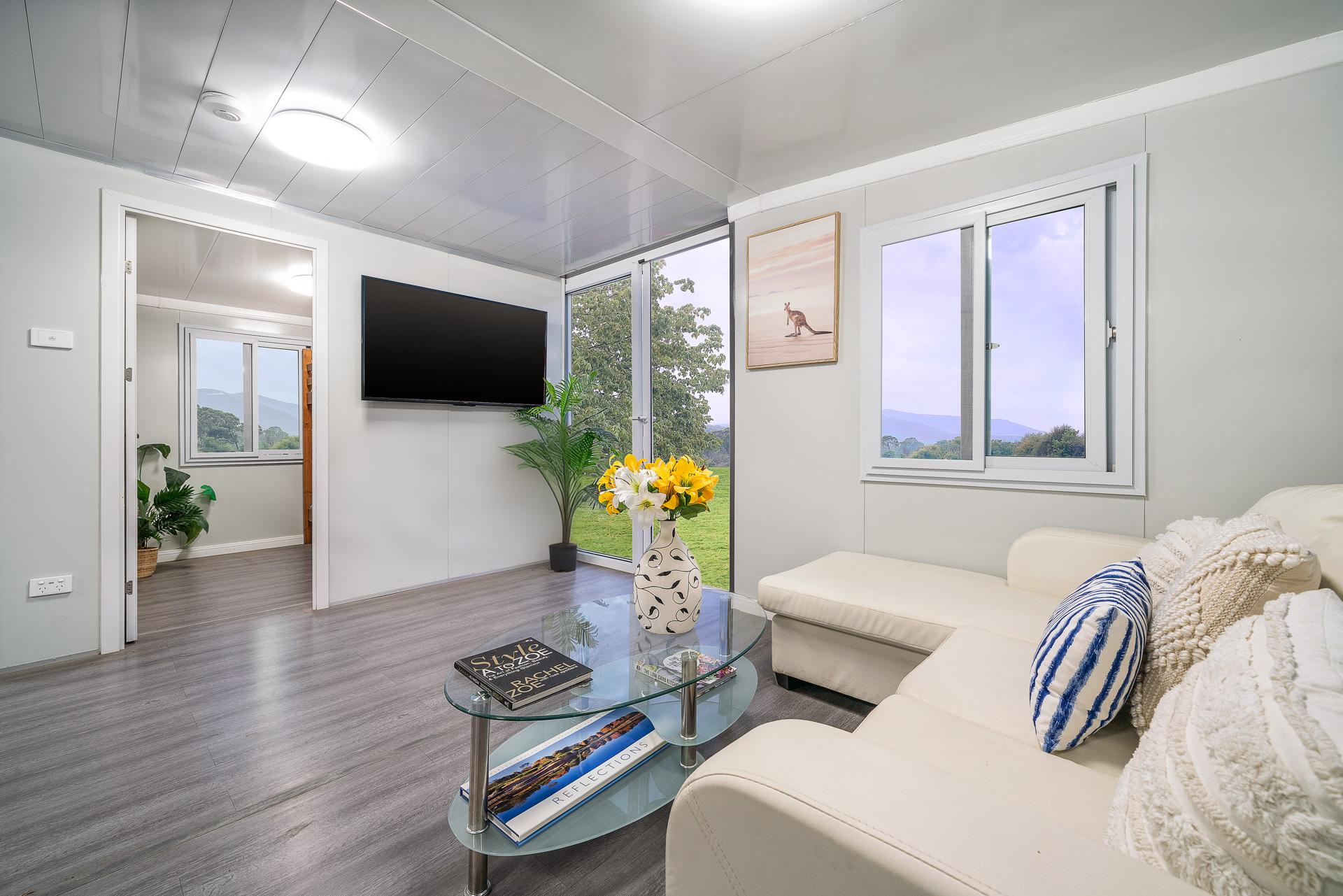
Granny flats offer affordable, flexible, and eco-friendly housing—whether you're caring for family or building a smart investment portfolio. And with the rise of prefab and container home technology, it's easier than ever to own one.
At UMD, we specialize in manufacturing customizable expandable granny flats, foldable homes, and modular prefab solutions that combine modern design with international certifications. As a trusted prefab housing manufacturer based in China, we help global clients—from homeowners to property developers—build compact, durable, and ready-to-live-in spaces with ease.
✅ CE-certified and Australian-standard compliant
✅ Full customization (layouts, materials, solar systems, insulation upgrades)
✅ Export experience across Australia, New Zealand, France, Puerto Rico, and more
UMD prefabricated houses are fully engineered to comply with key Australian building codes, ensuring they meet approval requirements in the majority of regions across the country. Full compliance documentation is available upon request, giving you peace of mind when working with local councils or building authorities.


