As the demand for
modular housing solutions continues to rise, choosing the right type of
expandable container home becomes essential. Whether you are looking for a
quick-assembly unit, a collapsible design, or a highly customizable expandable home, each option offers unique advantages. This guide will compare different types of
container homes based on key features, size, material, and shipping efficiency to help you make an informed decision.
1. Types of Expandable & Modular Container Homes
Based on industry standards, the following are the most popular container house types:
| Container Home Type |
External Size (Approx.) |
Capacity per 40HQ Container |
Material |
| Quick-Assembly Box |
W3000 × L5950 × H2800mm |
18 units per 40HQ |
Steel |
| Flat-Pack Container |
W3000 × L6000 × H2896mm |
15 units per 40HQ |
Steel |
| Standard Packed Box |
L5800 × W2450 × H2800mm |
6 units per 40HQ |
Steel |
| Foldable Container |
W2500 × L5800 × H2390mm |
12 units per 40HQ |
Steel |
| Sliding-Rail Foldable |
L5800 × W2500 × H2460mm |
10 units per 40HQ |
Steel |
| Expandable Container(Take 20 feet for example) |
W6320 × L5900 × H2480mm |
2 units per 40HQ |
Steel |
Each type of container house serves different needs based on portability, ease of installation, and space optimization.
2. Comparison of Different Container Home Types
Quick-Assembly Box
- Ideal for: Temporary housing, worker dormitories, and emergency shelters
- Pros:
- Fast installation with minimal labor
- High stacking efficiency (18 units per 40HQ)
- Cons:
- Limited design flexibility
- Basic insulation
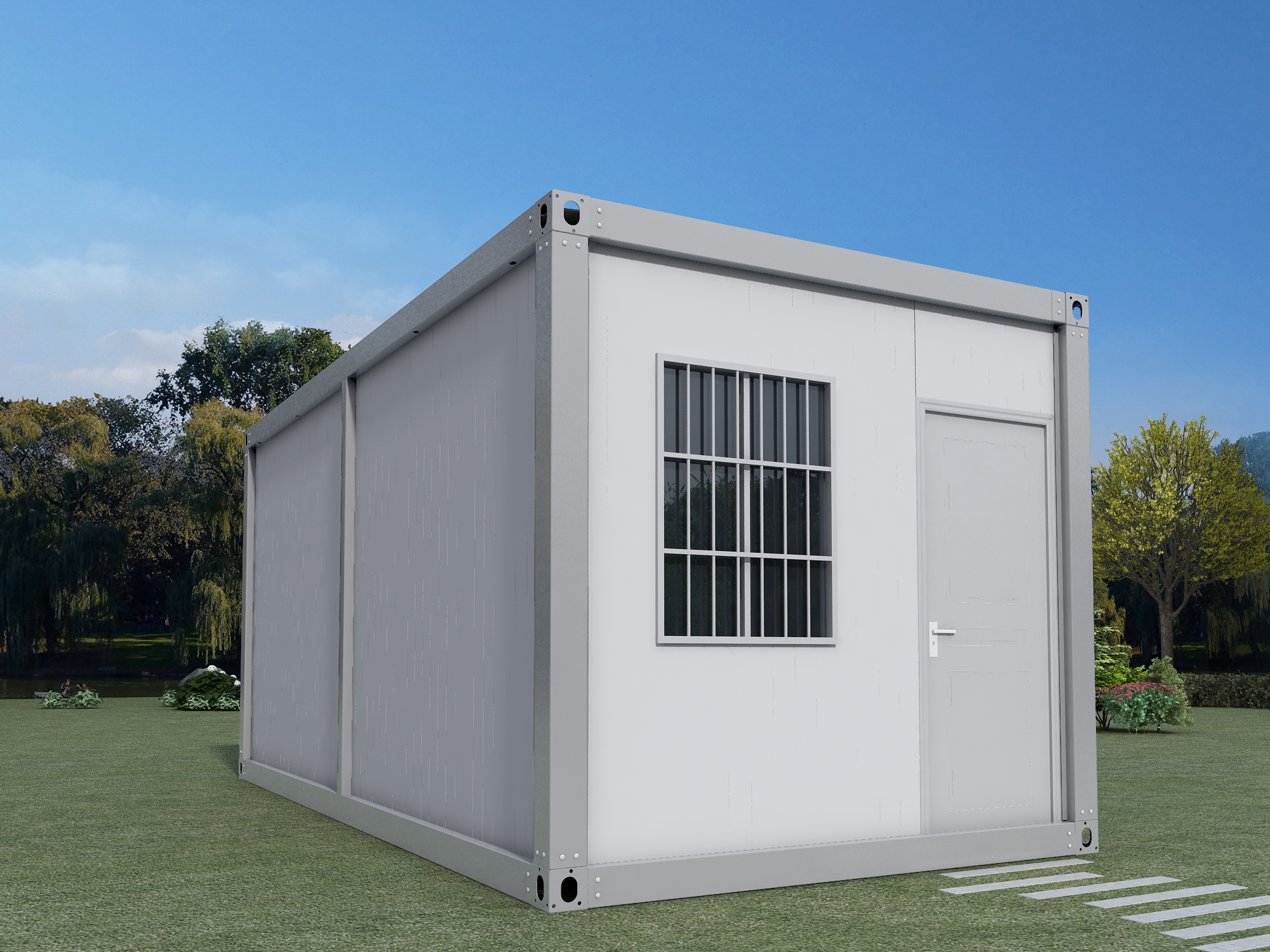
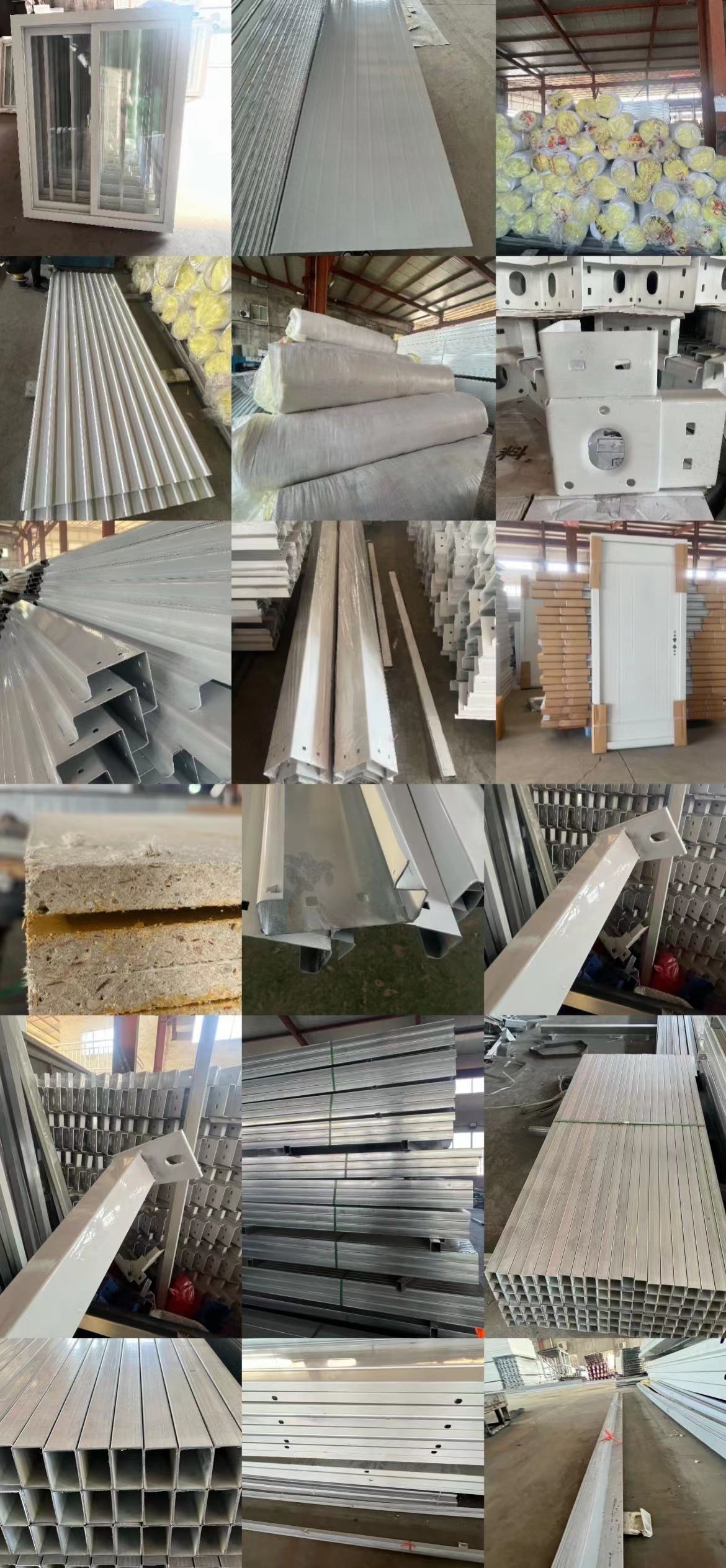
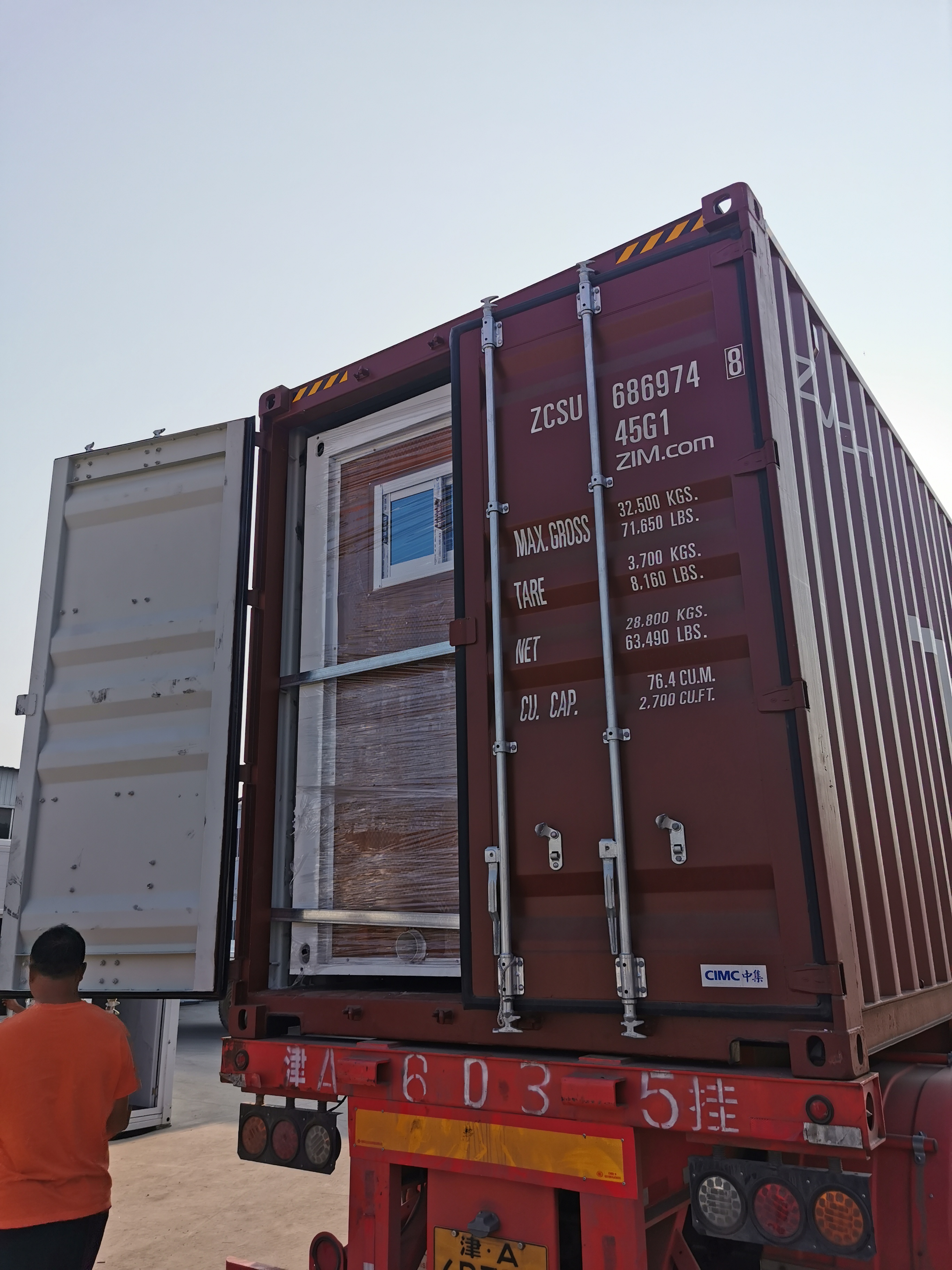
Quickly assemble boxed parts:
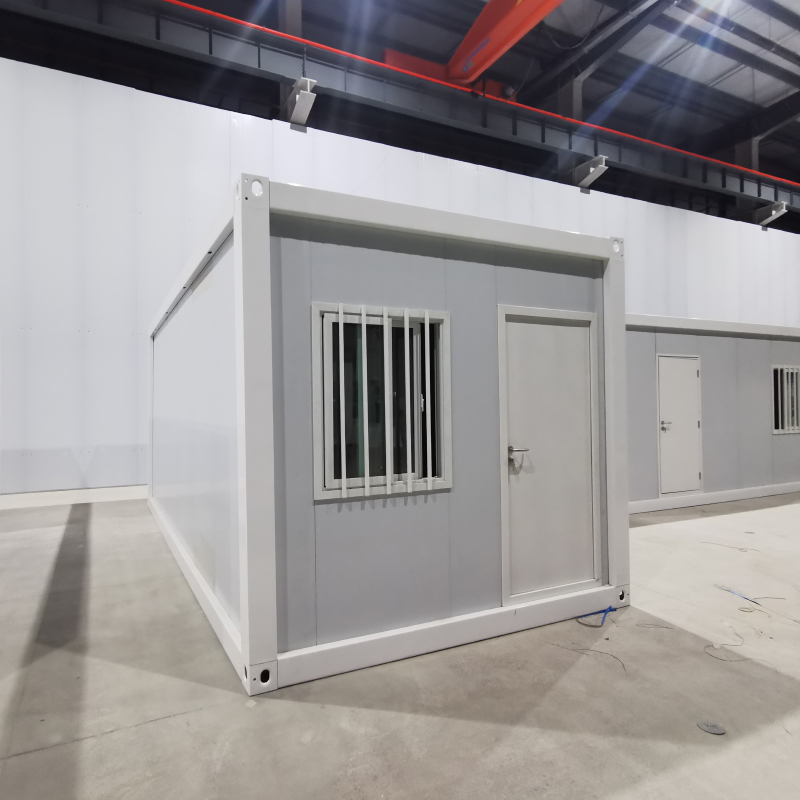
Flat-Pack Container Home
- Ideal for: Office spaces, rental accommodations, and remote-site housing
- Pros:
- Larger than quick-assembly boxes
- Good transport efficiency (15 units per 40HQ)
- Cons:
- Requires some on-site assembly

Standard Packed Box
- Ideal for: Modular buildings, long-term housing solutions
- Pros:
- Compact and cost-effective
- Suitable for industrial applications
- Cons:
- Less expandable compared to newer designs
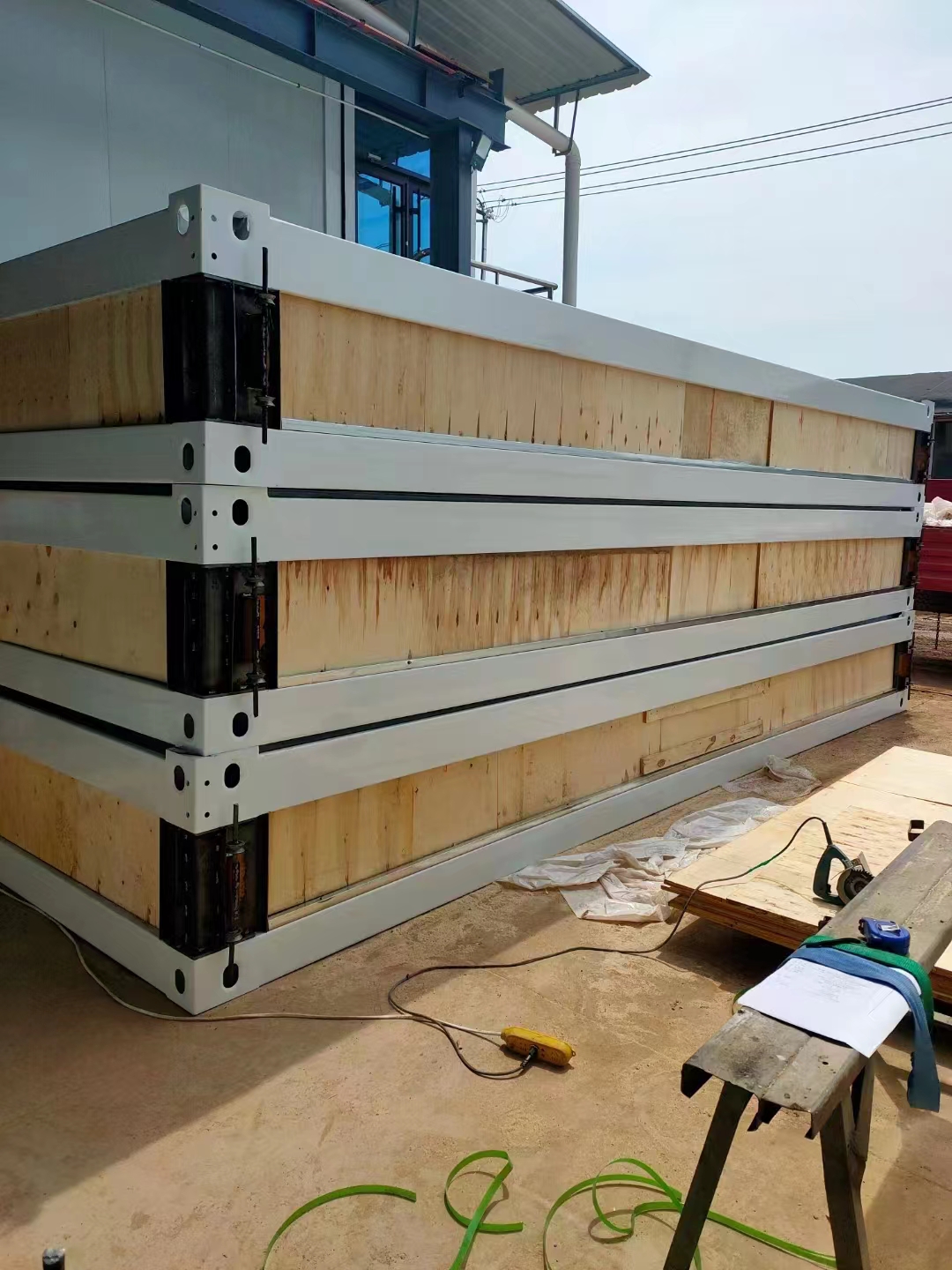
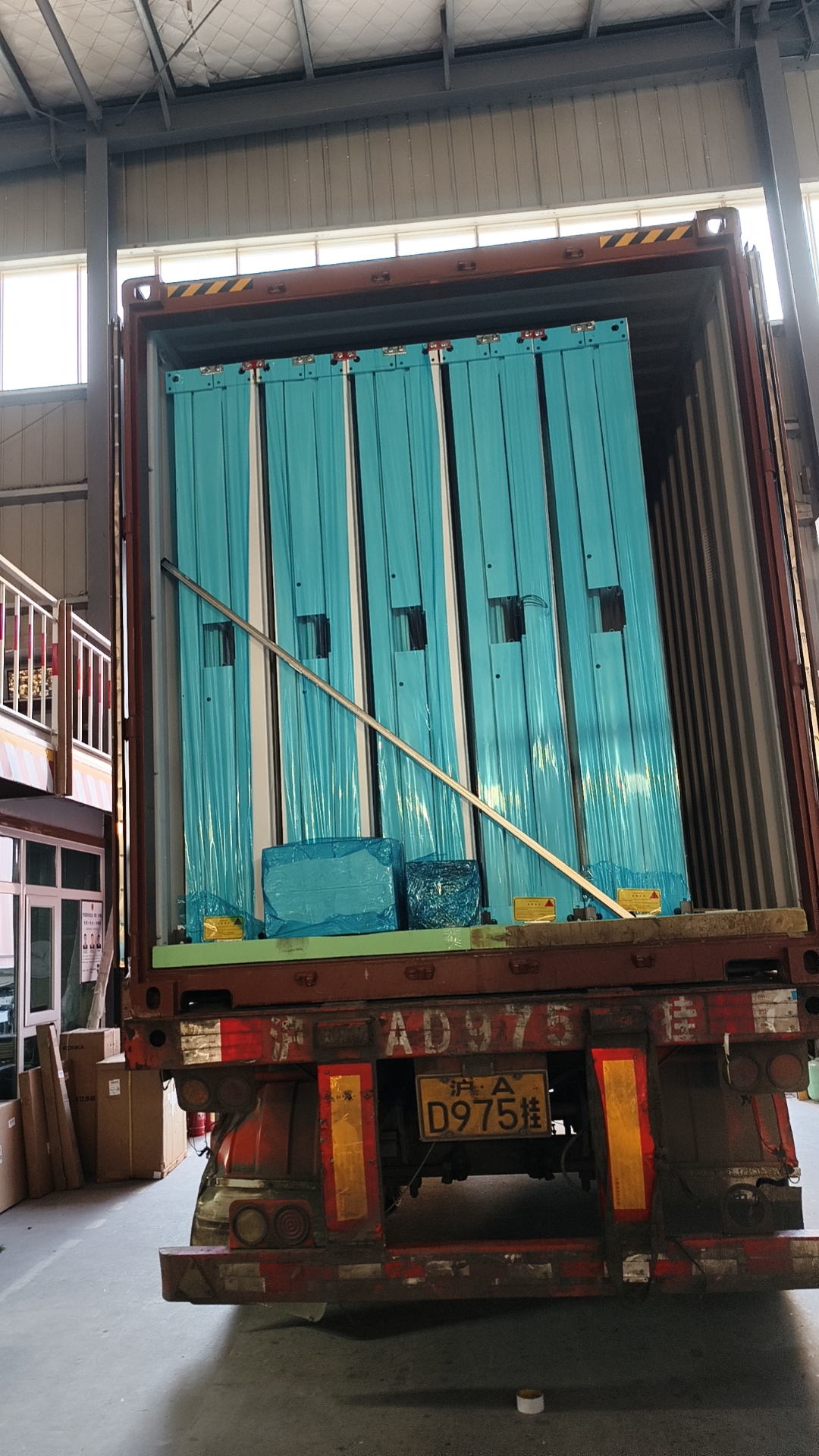
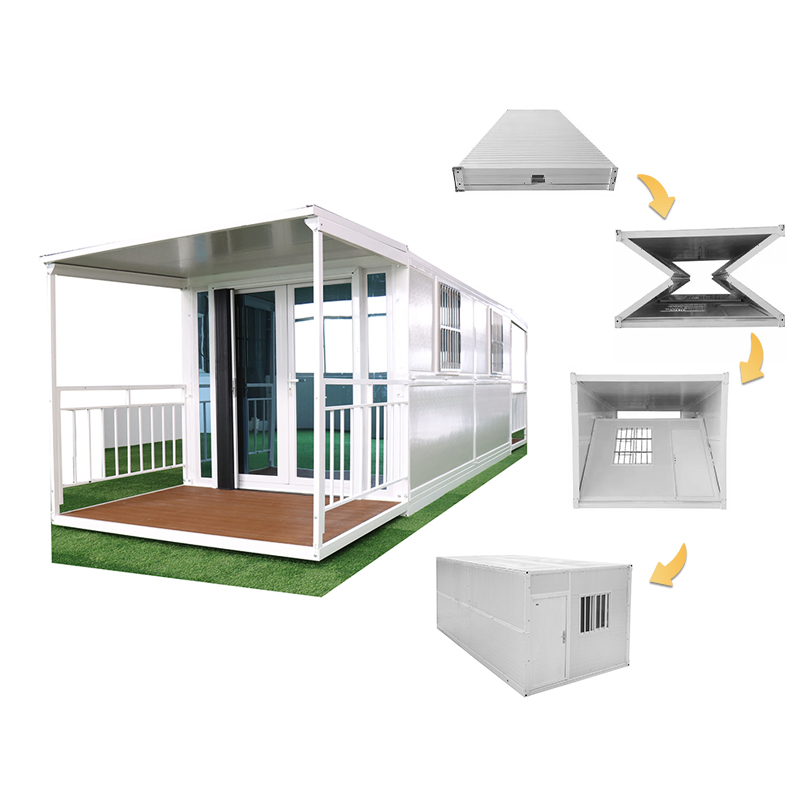
Foldable Container Home
- Ideal for: Rapid deployment in disaster relief areas or temporary housing
- Pros:
- High space efficiency
- Easy to install and relocate
- Cons:
- Lower durability than non-foldable containers
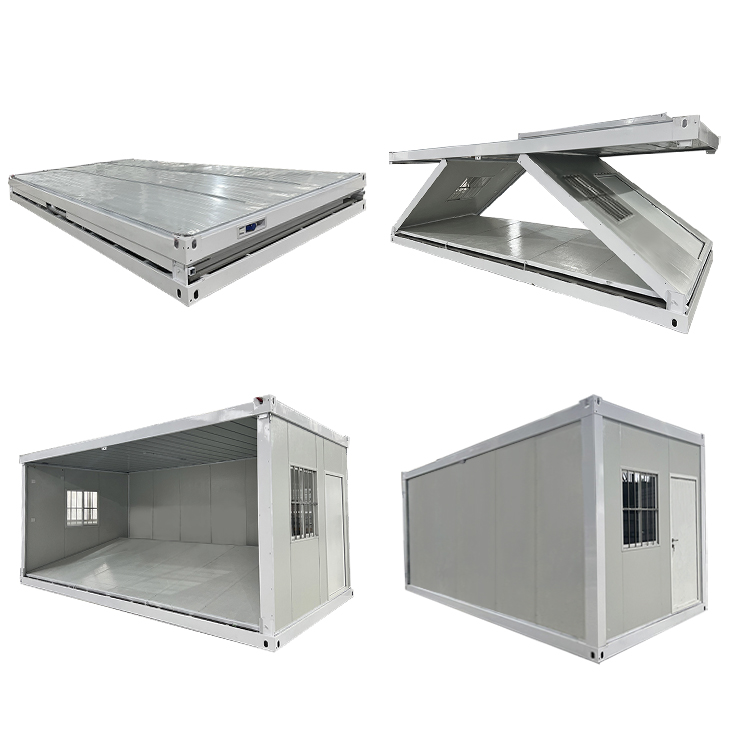
Sliding-Rail Foldable Container Home
- Ideal for: Projects requiring flexible expansion options
- Pros:
- Sliding rail system allows easy expansion
- More durable than standard foldable containers
- Cons:
- Heavier and requires careful installation
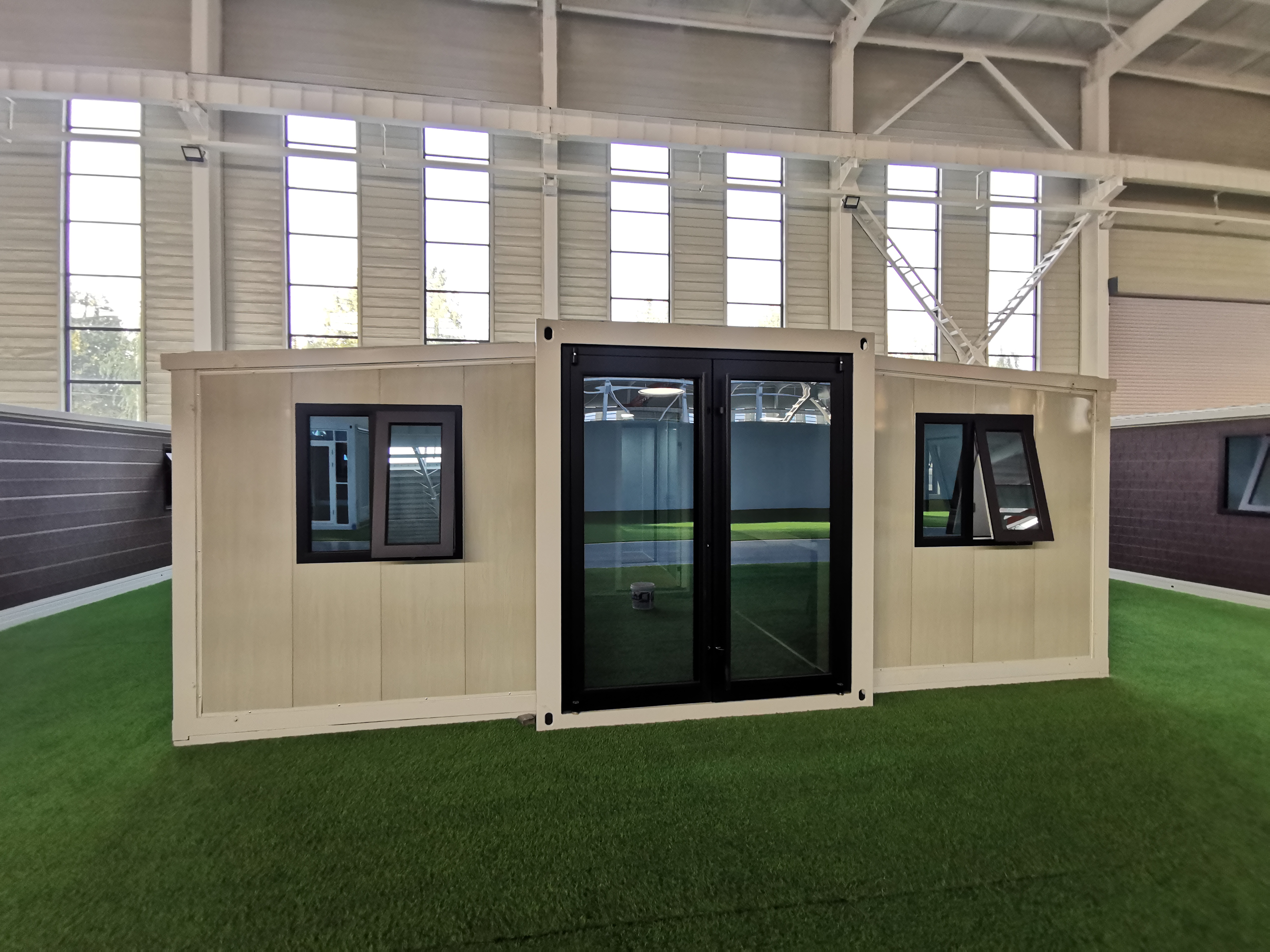
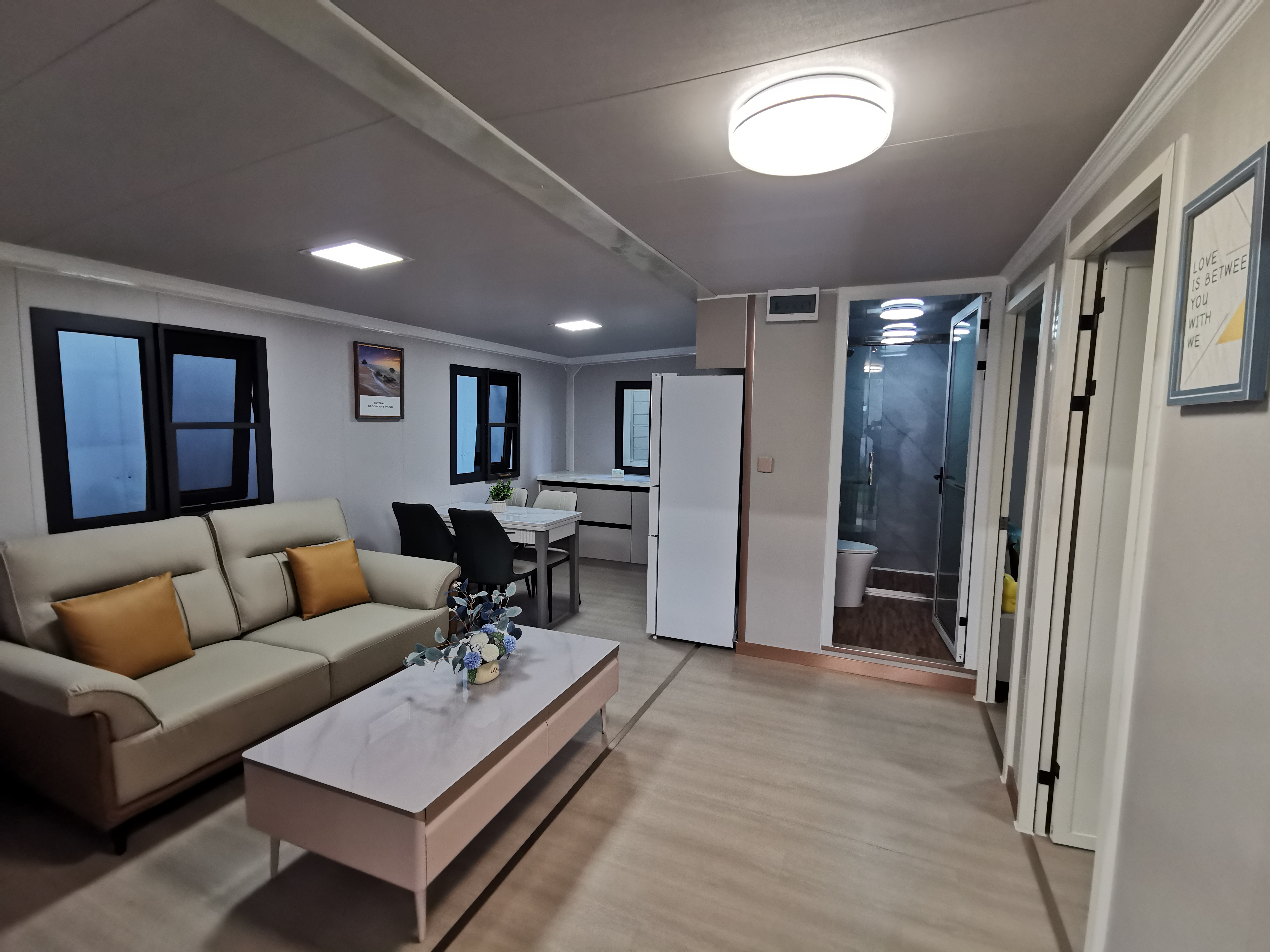
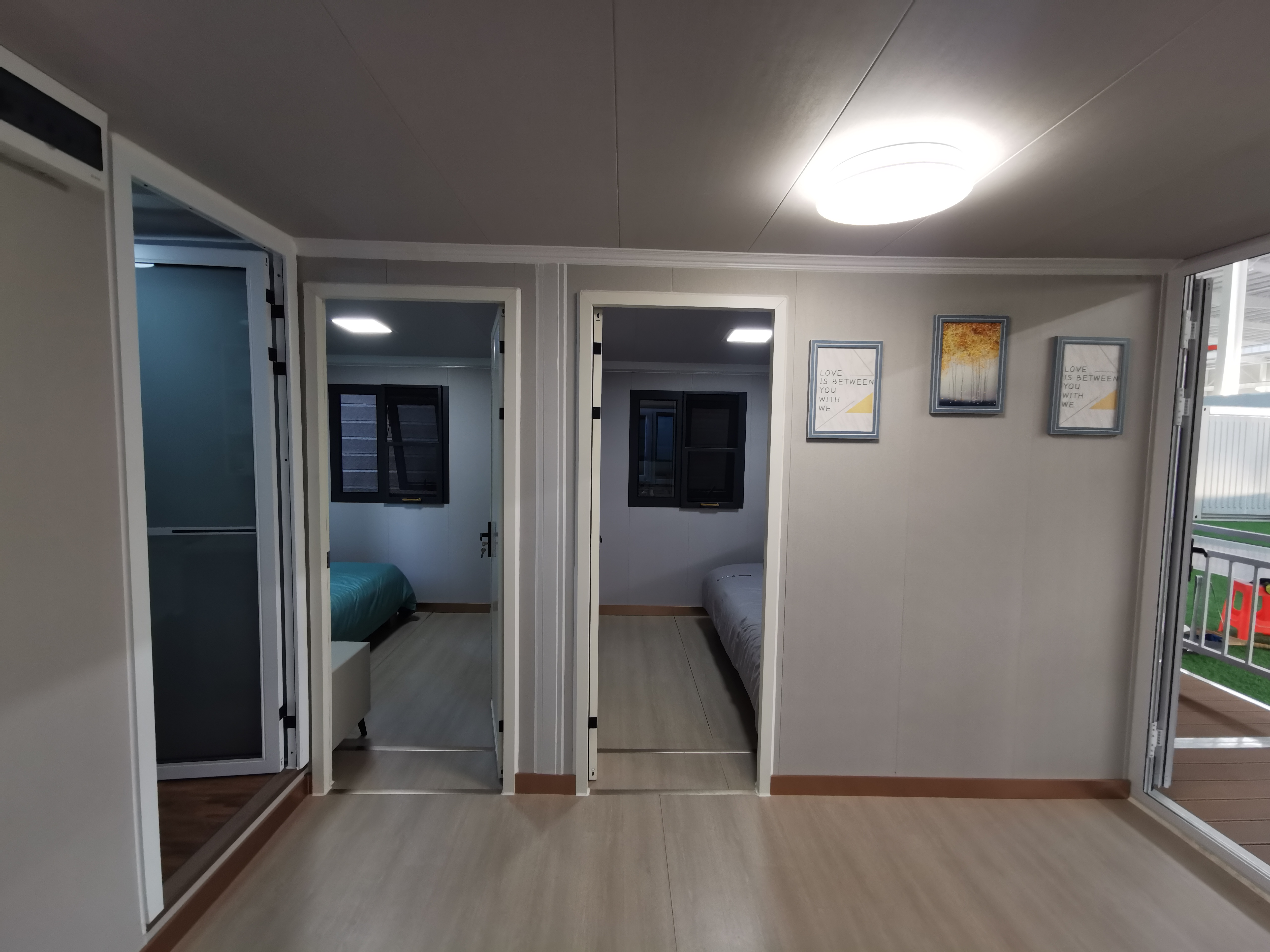
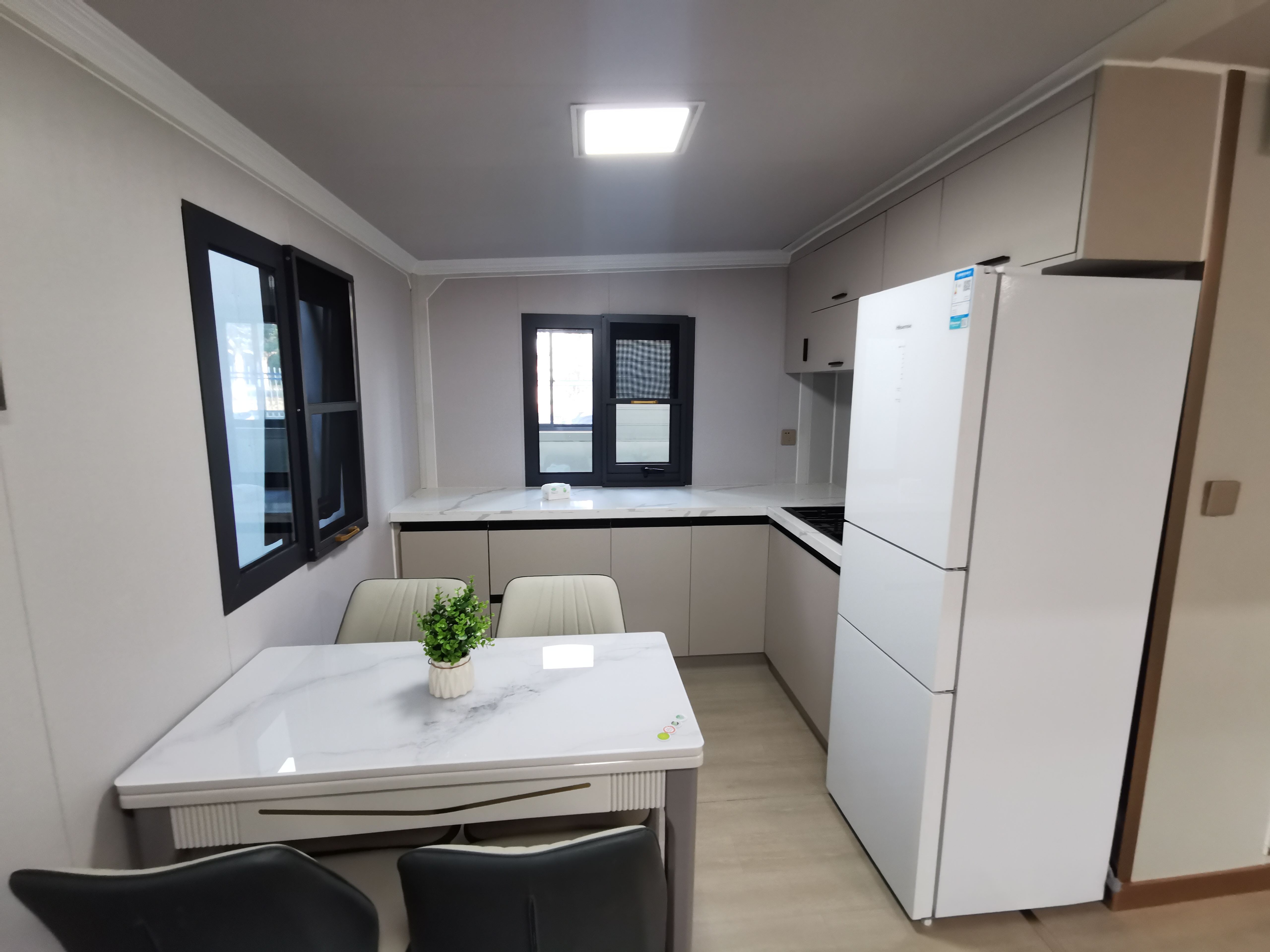
Expandable Container Home
- Ideal for: Luxury modular housing, vacation homes, and high-end offices
- Pros:
- Largest interior space among all options
- Fully customizable with kitchen, bathroom, and living area
- Cons:
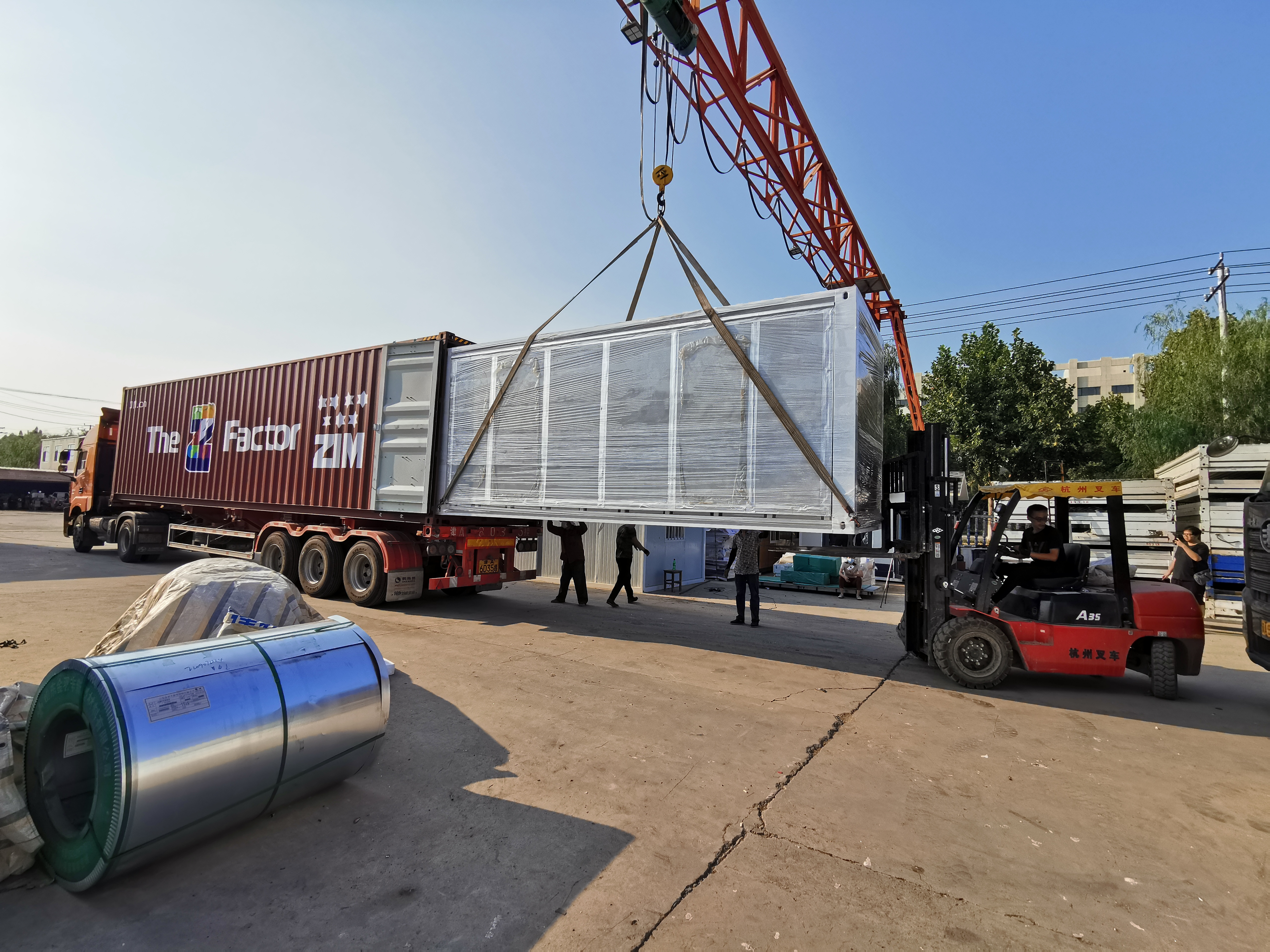
- Lower stacking density (only 2 units per 40HQ)
3. How to Choose the Best Expandable Container Home?
- For budget-friendly solutions → Choose Quick-Assembly or Flat-Pack containers
- For rapid deployment in disaster zones → Choose Foldable containers
- For large, fully functional homes or offices → Choose Expandable container homes
- For a balance between compactness & usability → Choose Sliding-Rail Foldable Homes
4. Final Thoughts
Choosing the right expandable container home depends on your budget, space needs, and transportation requirements. Whether you need a high-density stackable unit or a fully expandable home, each option has its own advantages.
- Looking for a custom-built expandable container home?
- Need expert guidance on selecting the best option for your project?
📩 Contact UMD today for professional advice and pricing!
🌐 Visit our website: www.umdhouse.com
📧 Email us: umd1@umdhouse.com


